




















































5 Easy Short Mindfulness Meditation Techniques for Beginners
In today’s fast-paced world, finding a moment of peace can seem impossible. Thankfully, mindfulness meditation offers a respite from the chaos, allowing you to cultivate peace and presence even during busy days. If you’re a beginner looking to explore this practice, you may feel intimidated by the idea of long meditation sessions. However, mindfulness doesn’t have to be time-consuming. In this blog post, we’ll explore five easy, short mindfulness meditation techniques specifically designed for beginners, allowing you to embark on a journey toward a more serene and focused life.
What is Mindfulness Meditation?
Mindfulness meditation is a mental training practice that teaches you to slow down racing thoughts, let go of negativity, and calm both your mind and body. It involves tuning into your experiences in the present moment with openness, interest, and receptiveness. Mindfulness can be practiced through various techniques, some of which we’ll cover shortly.
1. Mindful Breathing
Duration: 5 minutes
Mindful breathing is the cornerstone of all mindfulness practices and a great way to ease into meditation.
How to Practice:
- Find a Quiet Place: Begin by finding a comfortable, quiet space where you won’t be disturbed.
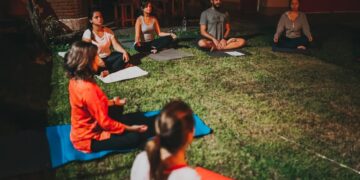
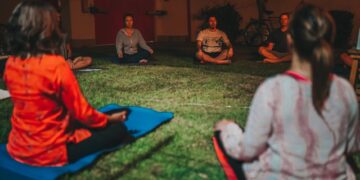
- Adopt a Comfortable Position: Sit in a relaxed, comfortable position. You could be on a chair or on the floor, with your hands resting on your knees.
- Focus on Your Breath: Close your eyes and take a deep breath in through your nose, allowing your stomach to expand as you fill your lungs with air. Exhale slowly through your mouth or nose, whichever feels most comfortable.
- Acknowledge Your Thoughts: It’s natural for your mind to wander. When you notice this happening, acknowledge the thoughts, and then gently bring your focus back to your breathing.
Key Tip: Use a timer with a gentle sound to avoid the distraction of having to check the time.
2. Body Scan Meditation
Duration: 5-10 minutes
A body scan meditation helps you connect with the physical sensations in your body, particularly areas where you might hold stress and tension.
How to Practice:
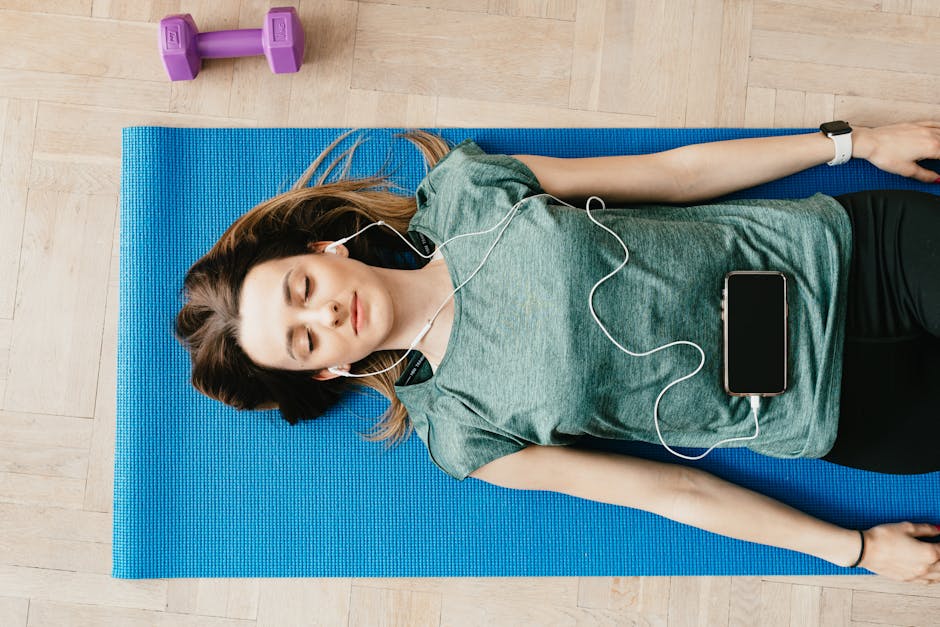
- Start in a Relaxed Posture: Lie down on your back with your legs extended and arms at your sides, palms facing up.
- Close Your Eyes and Breathe: Take a few deep breaths to relax and start focusing on your body.
- Scan Your Body: Slowly move your attention through different parts of your body. Start from your toes and gradually move up to your feet, ankles, calves, knees, and so forth up to your head.
- Notice Sensations: Pay attention to any tension, pain, or general discomfort. Don’t try to change what you feel. Observe and move on.
Key Tip: Try to practice this technique in a quiet environment to maintain focus and engagement.
3. Mindful Observation
Duration: 5 minutes
This technique involves choosing a natural object and focusing your attention on it. This can be practiced anywhere, from a busy park to your own backyard.
How to Practice:
- Select an Object: Find a natural object within your immediate environment (a flower, an insect, the clouds, or even a cup of tea).
- Gaze at the Object: Look at the object as if you are seeing it for the first time, exploring every aspect of its formation.
- Connect with the Moment: Notice the colors, shapes, texture, and patterns. Be fully present at the moment without judgment.
Key Tip: If your mind starts to wander, bring it back gently by asking yourself silent questions about the object, such as “What colors do I see?”
4. Mindful Listening
Duration: 5 minutes
Mindful listening helps you tune in to the sounds of your environment as a form of meditation, which can be particularly powerful in noisy, urban areas.
How to Practice:
- Find a Comfortable Spot: Sit in a comfortable position, preferably somewhere semi-quiet.
- Close Your Eyes: Eliminating one of the senses can help you heighten others.
- Focus on Sounds: Pay attention to the sounds that drift in and out of your awareness—whether it’s the wind, the rustling of leaves, or distant traffic.
- Acknowledge Thoughts: If your focus shifts to thoughts or feelings, notice them, and then return your attention to the sounds.
Key Tip: Occasionally shift your focus from distant sounds to closer sounds to enhance your auditory awareness.
5. Walking Meditation
Duration: 10 minutes
Walking meditation is a form of mindfulness that involves being aware of your body and feelings as you move.
How to Practice:
- Choose Your Path: Find a quiet place where you can walk back and forth or in a small circle.
- Start Walking Slowly: Focus on the sensation of your legs moving and your feet touching the ground.
- Sync Breathing with Steps: If possible, try to coordinate your breathing with your steps, such as inhaling for three steps and exhaling for three steps.
- Stay Present: Embrace the experience of movement and sensation, acknowledge the environment but keep returning your focus to the act of walking.
Key Tip: Keep your gaze fixed two meters ahead of you to maintain balance and focus.
Conclusion
Mindfulness meditation doesn’t require special equipment or excessive time. These five easy, short mindfulness meditation techniques for beginners can fit seamlessly into your daily routine, offering powerful tools for stress reduction and overall mental well-being. Remember, the goal of mindfulness isn’t to clear the mind of thoughts but to pay attention without judgement. Begin with these practices, and embrace a journey of personal growth and awareness.