































Unlocking Peace: The Best Relaxation Exercises for Daily Stress Relief
In today’s fast-paced world, stress is as common as the smartphones in our pockets. Whether you’re dealing with daily commutes, managing deadlines, or balancing personal commitments, it’s easy to feel overwhelmed. Fortunately, relaxation exercises can be a great way to counter the pressures we face. This article explores effective techniques that can calm your mind, reduce stress, and enhance your overall well-being, all of which can be conveniently incorporated into your everyday routine.
Understanding the Impact of Stress
Before diving into the exercises, it’s essential to recognize how stress affects us. Stress isn’t just a feeling; it’s a physiological response. When stressed, your body releases hormones like cortisol and adrenaline, which can increase your heart rate and elevate your blood pressure. Continual stress without relief can lead to long-term health issues, including heart disease, diabetes, and mental disorders such as anxiety or depression.
Why Choose Relaxation Exercises?
Relaxation exercises help reverse these stress responses, restoring calm and balance to your body’s systems. They increase blood flow to major muscles and reduce temporary spikes in blood pressure. They also improve your mood, boost energy levels, and even enhance your job performance and relationships. Let’s explore several approaches you can start today to alleviate stress.
Deep Breathing Techniques
Deep breathing is a simple yet powerful relaxation method. It involves focusing your attention on slow, deep, and even breaths. When we breathe deeply, the air coming in through our nose fully fills our lungs, and the lower belly rises, which helps turn off our body’s stress response.
How to Practice:
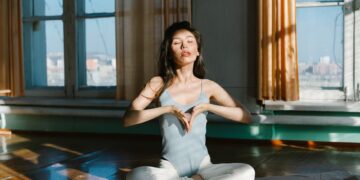
Sit comfortably with your back straight. Put one hand on your chest and the other on your stomach. Breathe in deeply through your nose, ensuring your diaphragm inflates enough to create a stretch in your lungs. Then, slowly exhale through your mouth. Repeat this pattern comfortably, focusing on keeping a steady pace.
Progressive Muscle Relaxation (PMR)
This technique involves tensing each muscle group but avoiding strain, then quickly releasing the tension. It allows you to feel more relaxed as you consciously release stress from your body.
How to Practice:
Start by tensing the muscles in your feet, hold for a count of five, then relax them for 30 seconds, gradually working your way up to your head. The contrast between tension and relaxation helps you recognize where you’re holding stress.
Guided Visualization
Guided visualization, or guided imagery, involves forming mental images of places or situations you find relaxing. You try to use your senses, such as sights, smells, sounds, and textures, to better evoke calm.
How to Practice:
Close your eyes, breathe deeply, and think of a peaceful place. Imagine it down to the details—the sounds, the smells, the temperature. The goal is to visualize yourself there and to allow the sense of peace to wash over you.
Mindfulness Meditation
Mindfulness meditation is a practice centered around the awareness of the here and now, without judgment. It helps disrupt the autopilot of thinking patterns that often contribute to stress.
How to Practice:
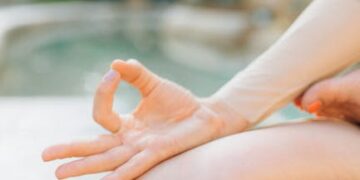
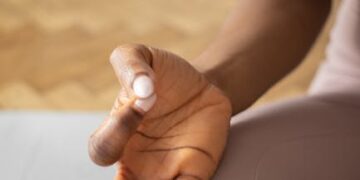
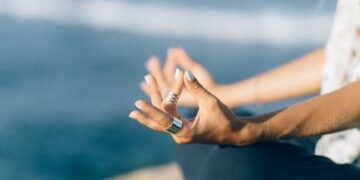
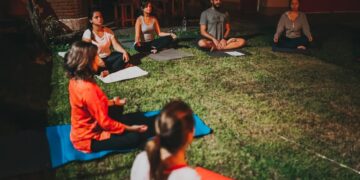
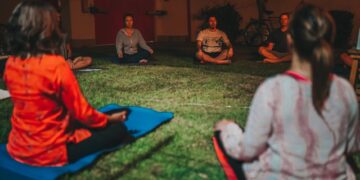
Find a quiet space and a comfortable position. Focus on your breath and observe any bodily sensations or emotions, noting them without judgment and returning your focus to your breath.
Making Relaxation a Habit
Integrating these exercises into daily life enhances their effectiveness. Here are a few tips to help make relaxation part of your routine:
- Set aside specific times each day for relaxation.
- Create triggers that remind you to practice these techniques, like alarms on your phone or notes in your calendar.
- Be patient and consistent. The benefits of relaxation techniques increase with regular practice.
- Experiment to find what works best for you and what you most enjoy.
Frequently Asked Questions
How long should I practice these exercises?
Even five minutes can be beneficial. However, the length can vary depending on your schedule and what feels right for you. Consistency is more important than duration.
Can children perform these exercises?
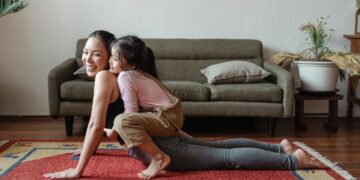
Yes, these techniques can be adapted for children and can be a great way to help them handle their stress as well.
Do I need special equipment?
No special equipment is necessary. The beauty of these exercises is that they can be done anywhere and anytime.
Conclusion
Incorporating relaxation exercises into your daily routine can significantly reduce stress and augment your overall quality of life. By dedicating a few minutes each day to practices like deep breathing, visualization, or mindfulness, you’re not just alleviating stress but also enhancing your body’s well-being and preparing your mind for any challenges ahead. So why wait? Start today!