




















































Unlocking Peace: How Mindfulness for Relaxation Can Transform Your Life
Imagine a world where peace isn’t just a distant dream but a regular part of everyday life. While outer circumstances often seem chaotic, the answer to internal serenity might just lie in the practice of mindfulness. Delve into the art of mindfulness, understand its nuances, and discover practical ways to apply it for relaxation and transformative peace.
Understanding Mindfulness
Mindfulness is the basic human ability to be fully present, aware of where we are and what we’re doing, and not overly reactive or overwhelmed by what’s going on around us. Though it sounds simple, it’s a profound means of developing self-awareness and calmness amidst life’s storms.
What Exactly is Mindfulness?
To be mindful is to enhance your awareness of the reality of the present moment by paying attention on purpose, in the present moment, and non-judgmentally. This means noticing the small things, the feelings, the thoughts, and the environment without immediate criticism or reaction.
Origins and Inspirations
The concept of mindfulness has its roots in ancient meditation practices, particularly Buddhist traditions. However, it has been adapted in the West as a practical technique for mental and emotional wellbeing, free of any religious associations.
Benefits of Mindfulness for Relaxation
Incorporating mindfulness into your daily routine can significantly transform how you handle stress and react to external pressures. It’s not about eliminating challenges but rather changing your response to them.
Reduces Stress and Anxiety
Mindfulness practices such as meditation have been scientifically shown to reduce symptoms of anxiety and depression. By focusing on the present, mindfulness decreases worry about future uncertainties and ruminations on past disappointments.
Enhances Emotional Resilience
Being mindful strengthens emotional health by enabling an individual to step back from emotions rather than being overwhelmed by them. This creates a robust emotional resilience to life’s ups and downs.
Improves Focus and Concentration
Regular mindfulness exercises help enhance your concentration and attention span by teaching you how to focus intently on one subject at a time and by reducing tendencies to multitask excessively.
Implementing Mindfulness into Your Daily Life
Knowing the benefits of mindfulness is a great start, but the real transformation comes from consistent practice and integration into your everyday activities.
Starting with Mindful Breathing
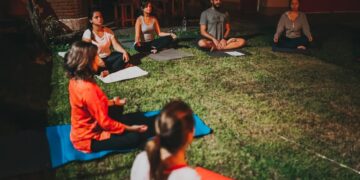
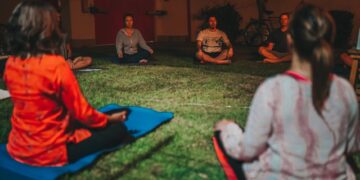
A simple way to begin is by focusing on your breath. You can do this anywhere, anytime. Just take a moment to observe the inhalation and exhalation of breath, the rise and fall of your chest, or the feeling of air at your nostrils. This practice serves as an anchor to bring you back to the present moment.
Engaging in Guided Meditations
For beginners, guided meditations can be extremely useful. These are available as audio recordings or apps, and they provide directions that help keep your focus. They often include visualization, progressive relaxation, or attention to breathing.
Mindful Eating Practices
Turn meal times into an opportunity for mindfulness. Eat slowly, savor each bite, and fully engage your senses to experience the texture, taste, and aroma of your food. Mindful eating is not only enjoyable but also good for digestion and portion control.
Success Stories: Real-Life Impact
Hearing how others have successfully integrated mindfulness into their lives can be a great motivator. Consider the story of Sara, a corporate lawyer who used mindfulness techniques to handle her overwhelming schedule and reduce her work-related stress. By practicing just 10 minutes of meditation each morning, she gained a clearer, more focused mind, which increased her efficiency and reduced her need for overtime.
Frequently Asked Questions
How long does it take to see benefits from mindfulness?
While the benefits can be noticed relatively quickly, consistent practice over several weeks often shows the most significant changes, such as reduced anxiety and improved mood.
Do I need special equipment?
No special equipment is necessary. All you need is a quiet space where you can sit comfortably without disturbances.
Can mindfulness be practiced by everyone?
Yes, people of all ages can engage in mindfulness practices. Each person’s approach might be different, but the core concept of present awareness remains the same.
Concluding Thoughts
Integrating mindfulness into your life is not about accomplishing another task on your to-do list, but about evolving a new way of being. It’s about noticing silence amidst the noise, calmness in the chaos, and peace within yourself. As the world continues to spin at a dizzying pace, find your balance through mindfulness for relaxation—it might just be the key to transforming your life.