












































5 Easy Steps to Master Progressive Muscle Relaxation Techniques
In today’s bustling world, finding a moment of peace can seem almost impossible. Progressive Muscle Relaxation (PMR) is a technique designed to alleviate stress and promote tranquility by tensing and then relaxing the muscles. It’s an effective tool to calm your mind and soothe physical tension associated with anxiety and stress. But how can you master this technique effectively? In this blog, we’ll explore 5 easy steps to incorporate PMR into your daily routine and start your journey toward a more relaxed self.
1. Find a Comfortable Spot
Prepare Your Environment:
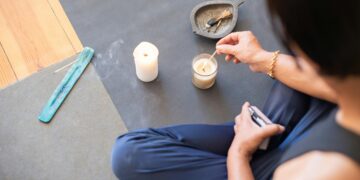
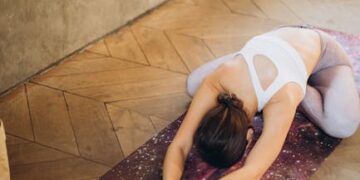
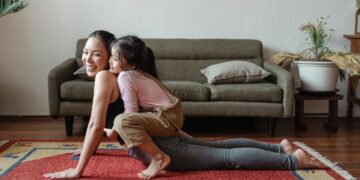
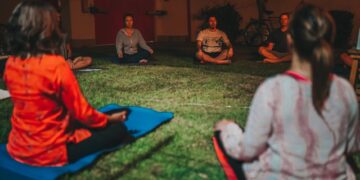
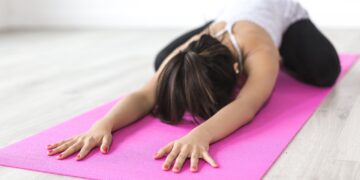
To practice PMR, select a quiet, comfortable place where you won’t be disturbed. You could lie down on your bed, recline on a comfy chair, or even stretch out on a yoga mat. The key is to ensure your body can fully relax without any distractions. Turn off your phone, dim the lights, or light some candles to create a calming atmosphere.
2. Start with Deep Breathing
Initiate Relaxation:
Before you begin tensing your muscle groups, it’s crucial to enter a state of relaxation through deep breathing. Take slow, deep breaths, inhaling through your nose and exhaling through your mouth. As you focus on your breathing, allow your body to relax naturally. This step serves as a gentle introduction to PMR and eases your body into the process.
3. Tense and Relax Muscle Groups
Systematic Approach:
Here’s where the core of PMR lies. You’ll work through various muscle groups in your body, tensing each for about 5 seconds and then releasing the tension suddenly. This deliberate tension followed by relaxation helps highlight the contrast in sensations, making you more aware of physical sensations.
Example of Sequence:
- Feet and Legs: Begin by curling your toes and tensing your foot muscles. Hold, then relax. Gradually move up to your legs, thighs, and glutes, following the same tense-relax method.
- Hands and Arms: Make fists, bend your arms at the elbows, and flex your muscles, including your biceps and triceps. Hold the tension and then release.
- Shoulders and Neck: Raise your shoulders up to your ears to create tension in your neck and shoulders. Hold, then relax.
- Face: Tense facial muscles by scrunching your eyes, puckering your lips, or furrowing your brows. Hold, then smooth out your face into a relaxed expression.
4. Perform a Full Body Tense and Relax
Integrate the Experience:
After you have moved through all the specific groups, perform one full-body tension and relaxation. Clench or tense muscles from toes to face simultaneously or in a quick wave. Hold them tightened for a few seconds, and then release. Feel the wave of relaxation as you let go of all the tension in your body.
5. Conclude with Mindfulness and Reflection
Reflect on the Experience:
Once you’ve completed the PMR process, spend a few moments in quiet reflection or mindfulness. Notice any areas of your body that feel particularly relieved or any spots that might still be holding tension. Use this time to breathe deeply and enjoy the relaxed state you have worked to achieve.
Daily Practice Tips:
Incorporate PMR into your daily routine, perhaps before bedtime to improve sleep quality, or after work to decompress. The more consistently you practice, the more natural it will become, and the greater the benefits you will experience.
Conclusion
Mastering Progressive Muscle Relaxation doesn’t require intense effort or specialized training; it can be effectively done with commitment and consistency using these 5 easy steps. Whether you’re dealing with daily stress, anxiety, or just looking for a way to unwind at the end of a long day, PMR offers a practical solution that enhances mental and physical well-being. Embrace the calm, one muscle at a time, and rediscover relaxation in your everyday life.
Embark on your journey with Progressive Muscle Relaxation today. Peace and tranquility are just a few breaths away. Happy relaxing!