











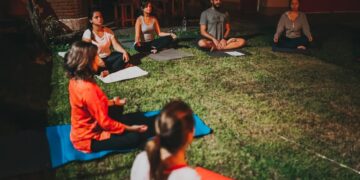











































Unlocking Inner Peace: How Mindfulness and Self-Compassion Techniques Can Transform Your Life
In our fast-paced world, finding a moment of peace seems more challenging than ever. However, the ancient practices of mindfulness and the nurturing attitude of self-compassion offer tools that can help us achieve an inner calm and transform our life’s quality. This article explores how these techniques can not only quiet our mind but also empower us to build a life filled with tranquility, understanding, and genuine happiness.
Understanding Mindfulness and Self-Compassion
What is Mindfulness?
Mindfulness is the practice of becoming fully aware of the present moment, without judgment. It involves observing our thoughts, feelings, bodily sensations, and the environment around us with a fresh perspective. By focusing on the ‘now’, we prevent ourselves from getting overwhelmed by what has happened in the past or what might occur in the future.
What is Self-Compassion?
Self-compassion involves treating ourselves with the same kindness, care, and understanding that we would offer a good friend. It has three key components: mindfulness, common humanity, and self-kindness. This practice helps us recognize our shared human experience, minimizing the feeling of isolation during tough times.
How Mindfulness and Self-Compassion Benefit Your Mental and Physical Health
Engaging in mindfulness and self-compassion has profound effects on our health. Studies have shown that these practices can decrease stress, anxiety, and depression. They can also enhance our emotional resilience, making it easier to cope with adversity. Physically, mindfulness helps reduce chronic pain and can improve our heart health by reducing blood pressure and heart rate.
Practical Steps to Integrate Mindfulness and Self-Compassion into Your Daily Life
Starting Your Day Mindfully
Begin each morning with a five-minute mindfulness exercise. Sit in a comfortable position and focus on your breathing or chant a mantra. Observe the thoughts that come to mind without attempting to influence them. This practice sets a peaceful tone for the day, increasing your ability to handle stress more effectively.
Incorporating Mindful Eating
Mindful eating is about paying full attention to the experience of eating and drinking, both inside and outside the body. Notice the taste, texture, and smell of your food, and listen to your body’s hunger cues. This not only enhances your enjoyment of food but also can help prevent overeating and improve digestion.
Using Mindful Breaks Throughout the Day
Periodically, pause your day for a short mindfulness break. This can be a brief moment to focus on your breath, observe your surroundings, or notice the sensations in your body. These pauses can help reset your mind, improving your focus and productivity.
Practicing Self-Compassion During Challenges
When faced with difficult situations or personal failures, respond with kindness rather than harsh self-criticism. Acknowledge your feelings and remind yourself that challenges are part of the human experience. This approach can shift your perspective, reduce emotional suffering, and open the door to personal growth.
Incorporating Mindfulness and Self-Compassion into Relationships
Mindfulness and self-compassion can hugely impact our personal relationships. By becoming more aware and compassionate towards ourselves, we naturally extend these attitudes to others, fostering deeper and more understanding connections.
Active Listening
Use mindfulness to engage in active listening. Pay full attention to the other person without planning your next response. This respect and attention often lead to more meaningful and constructive conversations.
Expressing Compassion
Express compassion and empathy during others’ tough times. Sometimes, offering a listening ear or acknowledging others’ feelings is more valuable than attempting to solve their problems.
Conclusion: Embracing a Mindful and Compassionate Life
Mindfulness and self-compassion aren’t just practices but are ways of living. By fully embracing these techniques, you can fundamentally transform your approach to daily challenges, improve your relationships, and enhance your overall mental and physical well-being. Start small, be patient with yourself, and gradually integrate these practices into your life. The journey towards a more peaceful, happier self begins with a single mindful step.