











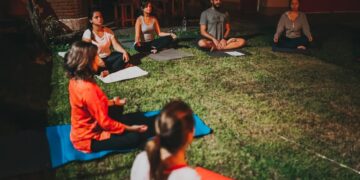











































Unlocking Peace: How to Practice Mindfulness in Your Daily Routine
With the rapid pace of modern life, finding moments of peace can often seem like a daunting task. However, integrating mindfulness into your daily routine can help bridge the gap between the chaos of everyday activities and achieving a state of calm. Mindfulness, simply put, is the practice of being present and fully engaged with whatever you are doing at the moment—free from distraction or judgement. This guide will explore practical steps and strategies to help you cultivate mindfulness and transform mundane tasks into opportunities for peace and self-discovery.
Understanding Mindfulness
Mindfulness is more than just a practice; it’s a way of living. It involves paying full attention to the present moment with an attitude of openness and curiosity. Mindfulness has its roots in Buddhist meditation, but has gained mainstream appeal as a practical tool for reducing stress and enhancing overall quality of life. By embracing mindfulness, you can learn to respond more effectively to complex situations and improve your mental and emotional well-being.
The Benefits of Mindfulness
- Reduced stress: Regular mindfulness practice helps lower stress by improving your reaction to challenging situations.
- Enhanced focus: Being mindful helps you maintain concentration and prevents mind wandering.
- Better emotional health: Mindfulness can lead to an improved mood and emotional resilience.
- Increase in creativity: By clearing your mind of clutter, mindfulness can foster better creativity and problem-solving skills.
Integrating Mindfulness Into Everyday Activities
One of the most appealing aspects of mindfulness is that it can be practiced at any time and in any place. Here’s how to weave mindfulness naturally into various aspects of your daily life to unlock a sense of peace and stillness.
Mindful Morning Routine
Begin your day with intention and awareness. As you wake up, spend a few minutes in bed doing a simple breath-focused meditation. Inhale slowly, feel your chest and belly rise, and exhale gently. Notice the sensations of your breath, and allow any intrusive thoughts to pass like clouds on a windy day. This practice sets a calm tone for the day ahead.
Mindful Eating
Eating is a daily activity that often becomes mechanical. To practice mindful eating, start by looking at your food, appreciating its colors and smells. Chew slowly, savoring each bite, and paying attention to the textures and flavors. This not only improves digestion but also enhances your relationship with food.
Mindful Commuting
Turn your commute into a time of reflection and peace, whether you’re driving, biking, or using public transportation. If you’re driving, keep the car radio off and focus on the experience of driving. Notice the grip of your hands on the steering wheel, the scenery you pass by, and the feeling of the movement. This not only makes the drive more enjoyable but also reduces commute-related stress.
Addressing Common Challenges
Even with the best intentions, practicing mindfulness can sometimes be challenging. Here are some common obstacles and how to overcome them:
Finding Time
One of the biggest challenges people face is finding time to practice mindfulness. However, it doesn’t require extra time – it’s about making existing activities mindful. You can practice mindfulness during regular activities like showering, washing dishes, or walking to work. The key is to be fully present in the moment during these activities, rather than letting your mind wander to the past or future.
Dealing with Distractions
External distractions are inevitable, but you can handle them without losing your mindful focus. When you notice a distraction, acknowledge its presence, then gently return your attention to the task at hand. With practice, you’ll find it becomes easier to maintain focus despite disruptions.
Making Mindfulness a Habit
To truly reap the benefits of mindfulness, make it a regular practice. Start small, perhaps with one or two minutes of mindful breathing each day, and gradually increase the time as it becomes a habit. Consistency is key—try to incorporate mindfulness practices at the same time each day to establish a routine. Over time, these moments of mindfulness will become a natural part of your day, enhancing your overall sense of well-being.
Using Technology to Aid Practice
In the digital age, technology can be a useful tool in your mindfulness journey. Apps like Headspace or Calm offer guided meditations and mindfulness exercises that can help ease you into the practice. Use these tools to your advantage, especially when starting out or when you need a structured session.
Conclusion
Mindfulness is a powerful practice that can transform daily challenges into opportunities for peace and self-awareness. By incorporating mindfulness techniques into your everyday routine, you can improve your mental, emotional, and physical health. Remember, the beauty of mindfulness lies in its simplicity and universality, making it accessible to everyone at any moment. Start today, and unlock the peace that resides within you.