











































Unwind with These Proven Relaxation Exercises to Reduce Stress
Stress is a common condition that affects individuals of all ages, manifesting in both physical and emotional health issues. Fortunately, incorporating simple relaxation exercises into your daily routine can significantly alleviate stress. This guide delivers practical and effective strategies to help you relax and maintain a serene mind.
Understanding Stress and Its Effects
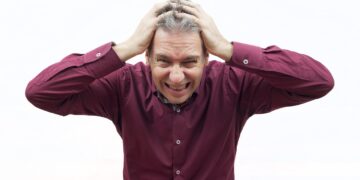
Stress occurs when you perceive that demands placed on you — such as work, school, or relationships — exceed your ability to cope. It can affect your health in numerous ways, such as causing headaches, sleep disturbances, depression, and irritability. Finding ways to manage stress is crucial for maintaining overall well-being.
Causes of Stress
Common causes of stress include job pressure, financial difficulties, health issues, or family responsibilities. Even daily minor hassles like traffic jams or long lines can trigger stress responses.
Effective Relaxation Techniques to Ease Stress
There are many techniques designed to reduce stress. However, the effectiveness might vary from person to person. Here, we explore several proven exercises that you can try to find out which one works best for you.
Deep Breathing Exercises
Deep breathing is one of the simplest yet most effective relaxation techniques. Slow and deep breathing increases the supply of oxygen to your brain, promoting a state of calmness. Here’s how to do it:
- Find a comfortable position: Sit or lie down in a quiet place.
- Close your eyes: This helps block out distractions.
- Inhale slowly through your nose: Count to five as you breathe in deeply.
- Hold your breath: Pause for a count of three.
- Exhale slowly through your mouth: Count to five as you let the air out completely.
- Repeat: Continue this process for a few minutes.
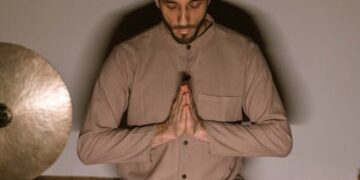
Meditation
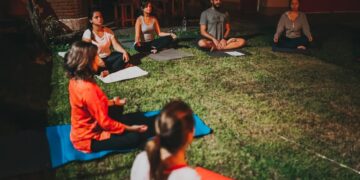
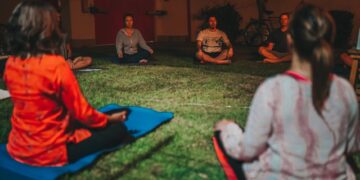
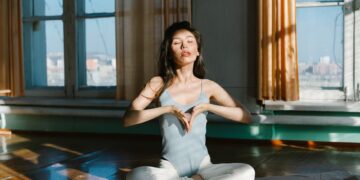
Meditation involves focusing your attention and eliminating the stream of jumbled thoughts that may be crowding your mind and causing stress. Meditation can instill a sense of calm, peace, and balance that can benefit both your emotional well-being and your overall health. Here’s an easy way to start:
- Choose a quiet spot: Minimize distractions by finding a peaceful place.
- Get comfortable: Sit in a relaxed, comfortable position. You might close your eyes or focus on a single point in the distance.
- Focus on your breathing: Pay attention to the sensation of air moving in and out of your body as you breathe naturally or use deep breathing techniques.
- If your mind wanders: Gently return your focus to your breathing. Don’t be hard on yourself if thoughts intrude.
Progressive Muscle Relaxation (PMR)
Involves slowly tensing and then relaxing each muscle group. This exercise helps you become more aware of physical sensations and helps focus on the difference between tension and relaxation. Here’s how you can start:
- Start at your feet: Tense the muscles in your toes for 5 seconds, then relax for 30 seconds, and repeat.
- Work your way up: Gradually move through each part of your body, from your feet to your calves, thighs, abdomen, chest, hands, arms, neck, and face.
- Breathe: Breathe deeply while you tense the muscles, and exhale when you release.
- Enjoy the relaxation: Take time to relax and enjoy the sensation of release in each area of your body.
Integrating Relaxation Into Your Daily Life
To effectively reduce stress, integrate relaxation exercises into your everyday life, instead of only practicing them in times of acute stress.
Set Aside Time for Regular Practice
Schedule a consistent daily ‘appointment’ to carry out your chosen relaxation technique. It doesn’t have to be lengthy; even just a few minutes a day can make a significant difference in reducing your stress levels.
Experiment with Different Techniques
Not every relaxation technique may suit everyone, so it’s important to find one or a combination that feels right for you and aligns with your lifestyle and preferences.
Be Regular and Patient
Benefits of relaxation techniques increase with regular practice. Also, don’t get discouraged if you don’t achieve immediate effects. Sometimes, it takes a little time and practice to begin feeling the benefits.
Conclusion
By understanding the importance of relaxation exercises and integrating them into your daily life, you can effectively manage stress, improving your health and enhancing your overall quality of life. Remember, relaxation is a skill that becomes more effective with practice, so keep practicing these techniques and persevere with your journey toward stress reduction.